

Family-focused community events play an important role in strengthening neighborhoods, encouraging social interaction, and creating meaningful shared experiences for people of all ages. In today’s fast-moving digital world, many families spend large portions of their time focused on:
- work
- school
- smartphones
- streaming entertainment
- social media
while having fewer opportunities for genuine face-to-face interaction within their local communities. As a result, family-oriented community events became increasingly valuable for encouraging:
- connection
- participation
- wellness
- communication
- belonging
Communities that regularly organize family-friendly events often create environments where residents feel:
- welcomed
- supported
- connected
- engaged
These events help children, parents, seniors, and local organizations interact in positive and meaningful ways. They also strengthen emotional ties between residents and the places where they live.
Modern community events are no longer limited to simple gatherings or formal meetings. Today’s families often prefer experiences that feel:
- interactive
- entertaining
- educational
- creative
- inclusive
Successful events frequently combine:
- activities
- food
- music
- games
- learning opportunities
- social interaction
to create memorable experiences that appeal to multiple generations at the same time.
Community engagement became especially important after periods of increased social isolation and digital dependence. Many local organizations realized that family-centered activities could help rebuild:
- trust
- communication
- emotional well-being
- social relationships
through shared public experiences.
Technology and social media platforms such as Facebook and Instagram also transformed community event culture by making it easier to:
- promote gatherings
- organize volunteers
- share updates
- attract participation
At the same time, social media increased expectations for events that feel visually appealing, organized, and engaging.
One major benefit of family-oriented community events is inclusivity. Unlike highly specialized activities, family events often welcome:
- children
- teenagers
- parents
- grandparents
- diverse cultural groups
This inclusiveness strengthens community bonds and creates environments where people feel more comfortable interacting with others.
Family events can also support important educational and developmental goals. Many activities encourage:
- creativity
- teamwork
- physical activity
- communication
- problem-solving
while helping children build confidence and social skills.
Another important advantage is emotional well-being. Families who participate in community activities often experience:
- reduced stress
- stronger social support
- increased happiness
- improved local connection
Communities with stronger relationships frequently become:
- safer
- more cooperative
- more resilient
because residents feel invested in helping one another.
Importantly, successful family events do not necessarily require enormous budgets or luxury production. Many highly effective community gatherings succeed through:
- creativity
- volunteer support
- local partnerships
- thoughtful planning
Affordable activities often create the strongest emotional impact because they focus more on:
- interaction
- shared experience
- inclusion
than expensive entertainment alone.
Different communities benefit from different types of events depending on:
- demographics
- culture
- local interests
- available resources
- climate
- community goals
Some neighborhoods may prioritize outdoor recreation, while others focus more heavily on:
- education
- wellness
- cultural celebration
- volunteerism
The best family events usually combine entertainment with meaningful engagement.
Community events also help support local businesses and organizations by increasing visibility and encouraging local participation. Vendors, artists, performers, restaurants, and nonprofits often benefit from strong family attendance at public gatherings.
Understanding the best community event ideas for families therefore involves more than entertainment planning. It includes understanding:
- inclusivity
- communication
- emotional connection
- local engagement
- wellness
- community identity
In this comprehensive guide, you will explore some of the best family-friendly community event ideas, learn why these activities strengthen neighborhoods, and discover practical strategies for creating engaging, memorable, and inclusive local experiences for all ages.
Why Family Community Events Matter
Family-focused community events help create stronger relationships between:
- neighbors
- parents
- children
- local organizations
These events encourage:
- communication
- trust
- cooperation
- social connection
Communities with strong engagement often experience:
- greater volunteerism
- increased local support
- stronger emotional well-being
Families who participate regularly often feel more connected to their neighborhoods.
Outdoor Movie Nights
Outdoor movie nights remain one of the most popular family community events because they are:
- affordable
- relaxing
- inclusive
- easy to organize
Families often bring:
- blankets
- lawn chairs
- snacks
to parks or community spaces.
Movie nights create:
- shared entertainment
- casual social interaction
- welcoming atmosphere
These events work especially well during:
- summer evenings
- school holidays
- neighborhood festivals
Outdoor cinema experiences often feel nostalgic and emotionally memorable.
Community Picnics
Community picnics encourage:
- relaxation
- conversation
- family interaction
These gatherings may include:
- food stations
- games
- music
- children’s activities
Picnics create comfortable environments where families can interact naturally without excessive structure.
Local parks and outdoor spaces often work perfectly for these events.
Community picnics also support:
- intergenerational interaction
- cultural exchange
- neighborhood bonding
Family Fun Runs and Walkathons
Family fitness events combine:
- wellness
- recreation
- social participation
Examples include:
- charity walks
- obstacle races
- color runs
- stroller-friendly walks
These activities encourage healthy lifestyles while creating positive shared experiences.
Fitness-focused events often appeal to:
- children
- parents
- schools
- wellness organizations
Communities increasingly prioritize health-oriented public activities.
Farmers Markets With Family Activities
Modern farmers markets often include much more than shopping.
Family-focused markets may offer:
- live music
- craft stations
- face painting
- food trucks
- storytelling
These events support:
- local farmers
- small businesses
- healthy lifestyles
while creating enjoyable social environments.
Farmers markets help communities feel:
- active
- connected
- vibrant
through regular public interaction.
Community Festivals
Festivals are among the most effective ways to encourage local participation.
Popular festival elements include:
- music
- cultural performances
- food vendors
- games
- parades
Festivals often celebrate:
- seasonal traditions
- cultural heritage
- local identity
These large-scale events help strengthen community pride and excitement.
Family-friendly festivals usually attract broad participation across multiple age groups.
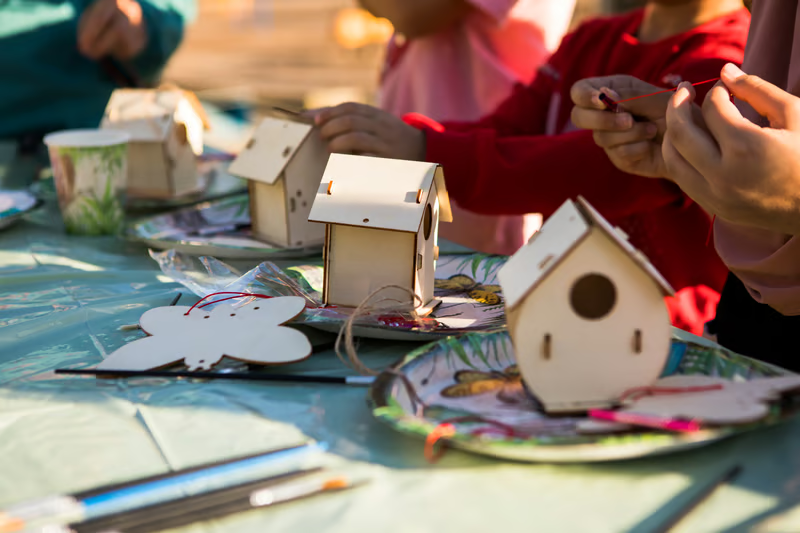
Art and Craft Workshops
Creative workshops encourage:
- imagination
- teamwork
- artistic expression
Examples include:
- painting sessions
- pottery classes
- DIY craft stations
- family art competitions
Creative events help children build:
- confidence
- problem-solving skills
- self-expression
Parents and children often enjoy collaborative artistic activities together.
Community Gardening Projects
Gardening projects help families connect through:
- environmental awareness
- teamwork
- outdoor activity
Community gardens may involve:
- schools
- volunteers
- neighborhood organizations
Families can participate in:
- planting
- harvesting
- sustainability education
These activities also beautify neighborhoods and encourage environmental responsibility.
Holiday Celebrations
Holiday events often create strong emotional connection and excitement.
Popular examples include:
- Christmas festivals
- Halloween parties
- Eid celebrations
- Easter events
- New Year gatherings
Holiday traditions strengthen:
- family bonding
- cultural identity
- community spirit
Seasonal celebrations often become important recurring local traditions.
Family Game Nights
Community game nights encourage:
- interaction
- laughter
- teamwork
- friendly competition
Popular activities may include:
- trivia contests
- board games
- scavenger hunts
- relay races
Game nights are often:
- affordable
- accessible
- easy to organize
These events create relaxed environments ideal for social connection.
Wellness and Health Fairs
Health-focused family events became increasingly popular because communities now prioritize:
- physical health
- mental wellness
- preventive care
Family wellness fairs may include:
- fitness classes
- nutrition workshops
- stress management sessions
- health screenings
These activities improve awareness while encouraging healthier lifestyles.
Wellness events also provide educational value for both adults and children.
Community Talent Shows
Talent shows create opportunities for:
- creativity
- confidence-building
- entertainment
Families may participate through:
- singing
- dancing
- comedy
- musical performances
- spoken word
These events help communities celebrate local talent and encourage participation.
Talent shows often feel:
- personal
- memorable
- emotionally engaging
for both performers and audiences.
Educational Family Workshops
Educational events help families develop practical skills together.
Popular workshop topics include:
- financial literacy
- internet safety
- cooking classes
- parenting support
- science demonstrations
Learning-focused events provide lasting value beyond entertainment alone.
Communities increasingly combine education with interactive experiences.
Pet-Friendly Community Events
Pet events became highly popular because many families enjoy activities involving animals.
Examples include:
- pet costume contests
- dog walks
- adoption fairs
- pet training demonstrations
Pet-friendly events often feel:
- social
- cheerful
- inclusive
Animals naturally encourage conversation and relaxed interaction between attendees.
Outdoor Fitness Classes
Outdoor family fitness programs support:
- wellness
- exercise
- social connection
Popular examples include:
- yoga sessions
- dance classes
- family aerobics
- martial arts demonstrations
Outdoor activities help families spend time together while promoting healthy habits.
These events often attract participants of all fitness levels.
Cultural Celebration Events
Cultural events strengthen:
- diversity
- inclusion
- understanding
Examples include:
- multicultural festivals
- traditional dance performances
- cultural food fairs
- language activities
These gatherings help families learn about different traditions and backgrounds.
Cultural celebrations create welcoming and educational community environments.
Community Cleanup Projects
Volunteer cleanup activities encourage:
- civic pride
- teamwork
- environmental responsibility
Families may participate in:
- park cleanups
- recycling drives
- beautification projects
These events help children learn the importance of:
- responsibility
- cooperation
- community care
Volunteer activities often strengthen emotional investment in neighborhoods.
Food Truck and Music Events
Food truck gatherings combined with music became extremely popular because they create:
- relaxed atmosphere
- social interaction
- entertainment
Families enjoy:
- outdoor dining
- local food
- live performances
- casual community environments
These events support both:
- local businesses
- public engagement
while remaining relatively simple to organize.
Youth Sports Tournaments
Sports events encourage:
- teamwork
- discipline
- physical activity
- social development
Communities may organize:
- soccer tournaments
- basketball competitions
- relay races
- family sports days
Sports events help children build confidence while strengthening family involvement.
They also create energetic and exciting public gatherings.
Community Book Fairs and Reading Events
Reading-focused events support:
- literacy
- education
- creativity
Examples include:
- storytelling sessions
- author visits
- book exchanges
- reading competitions
These activities encourage lifelong learning while creating calm and family-friendly environments.
Libraries and schools often play major roles in these events.
Technology and Family Engagement
Modern technology improved event planning significantly.
Communities now use:
- online registration
- digital invitations
- social media promotion
- event apps
Platforms such as Facebook help organizers:
- communicate updates
- increase visibility
- encourage participation
Technology makes community coordination more efficient and accessible.
Why Inclusivity Matters
The best family events are designed to welcome:
- different age groups
- cultural backgrounds
- income levels
- abilities
Inclusive events improve:
- participation
- trust
- comfort
- community connection
Accessibility and representation help communities feel stronger and more united.
Supporting Local Businesses
Community events often benefit:
- restaurants
- vendors
- artists
- performers
- nonprofit organizations
Family attendance increases visibility and economic activity for local businesses.
Partnerships between organizers and businesses strengthen community support systems.
Interactive Community Activities
Modern audiences increasingly prefer interactive experiences over passive entertainment.
Interactive activities may include:
- contests
- workshops
- live demonstrations
- audience participation
Participation improves:
- engagement
- enjoyment
- memory
Interactive experiences often create stronger emotional connection.
Building Long-Term Community Traditions
Recurring family events often become important local traditions.
Annual gatherings create:
- anticipation
- familiarity
- emotional attachment
Communities with strong traditions often experience greater long-term participation and local pride.
Traditions strengthen identity and continuity.
Safety and Organization
Successful events require careful planning involving:
- crowd management
- emergency preparation
- accessibility
- communication systems
Well-organized events feel:
- safer
- more welcoming
- more professional
Families are more likely to attend events that feel secure and organized.
Budget-Friendly Event Planning
Strong family events do not require luxury production.
Many affordable activities succeed through:
- volunteers
- local sponsorships
- donated resources
- creative planning
Meaningful experiences often matter more than expensive entertainment.
Creativity and organization usually determine event success more than budget size.
Emotional Benefits of Family Community Events
Community participation positively affects emotional well-being by reducing:
- isolation
- stress
- loneliness
Shared experiences help families feel:
- supported
- included
- connected
Strong social relationships improve both individual happiness and community resilience.
Common Community Event Mistakes
Some events struggle because organizers:
- overcomplicate activities
- fail to promote effectively
- ignore accessibility
- overlook audience interests
Simple and well-organized events often produce better participation and stronger community response.
Understanding local needs is essential.
Measuring Community Event Success
Communities may evaluate events based on:
- attendance
- volunteer participation
- feedback
- repeat participation
- social engagement
Understanding outcomes helps organizers improve future planning and community involvement.
Conclusion
Family-focused community events are extremely important for building stronger, healthier, and more connected neighborhoods. In modern society, where many people experience increasing digital isolation and limited face-to-face interaction, these events create valuable opportunities for:
- communication
- participation
- collaboration
- emotional connection
Whether through:
- festivals
- movie nights
- sports tournaments
- wellness fairs
- cultural celebrations
- volunteer projects
successful family events help communities feel more welcoming, active, and supportive.
These activities also provide important social and emotional benefits by encouraging:
- trust
- friendship
- local pride
- intergenerational connection
- civic involvement
Children and adults alike benefit from shared experiences that strengthen relationships and encourage meaningful participation in local life.
Importantly, the best community events are usually not the most expensive. Successful gatherings typically focus more on:
- inclusivity
- creativity
- accessibility
- organization
- interaction
than luxury entertainment or large production budgets.
Technology and social media also transformed how communities organize and promote events, making participation easier and more accessible than ever before. However, the true value of family community events still comes from genuine human connection and shared experiences.
Ultimately, strong family-oriented community events help create neighborhoods where people feel:
- valued
- connected
- supported
- engaged
These gatherings do far more than entertain—they help build stronger relationships, healthier communities, and lasting memories for families and residents of all ages.