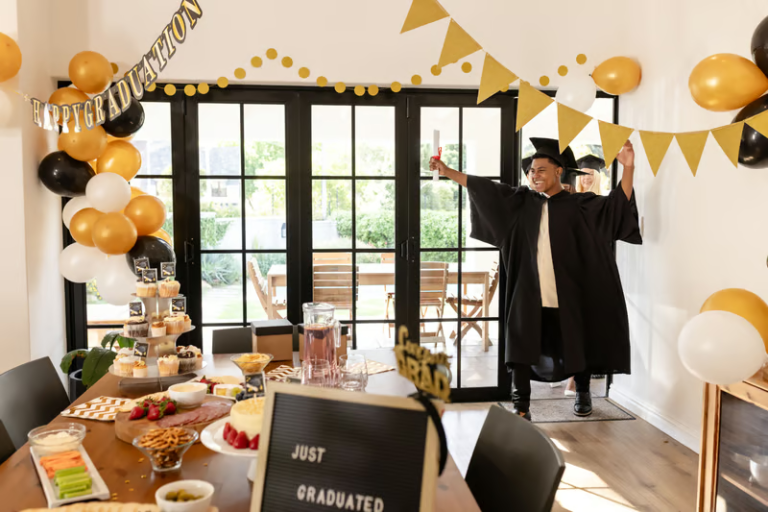

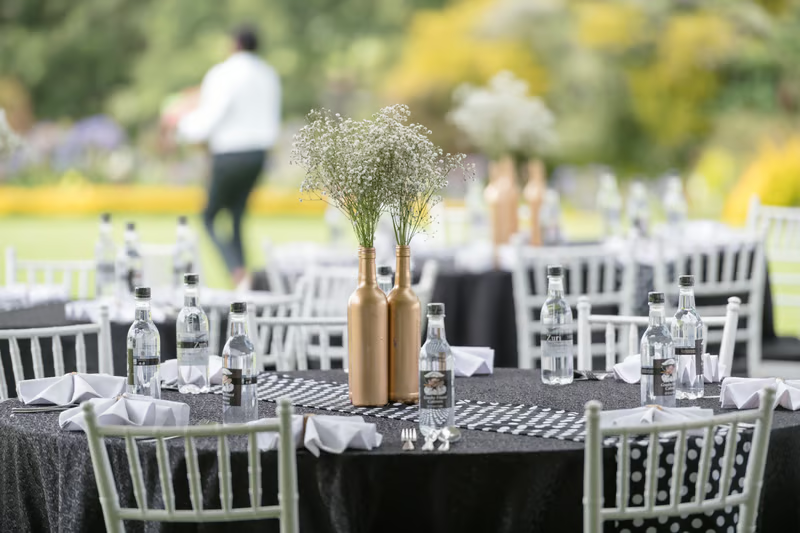
Table seating arrangements are one of the most important elements of successful event planning, yet they are often underestimated until problems begin appearing during an event. Whether planning:
- weddings
- conferences
- family celebrations
- corporate dinners
- graduation parties
- charity galas
- networking events
the way guests are seated can significantly influence:
- comfort
- communication
- atmosphere
- organization
- guest satisfaction
- event flow
A carefully planned seating arrangement helps guests feel:
- welcomed
- comfortable
- included
- organized
while poor seating organization may create:
- confusion
- awkwardness
- social tension
- delays
- overcrowding
Modern events increasingly focus on guest experience, making seating arrangements more important than ever before. Event planners now consider factors such as:
- relationships between guests
- visibility
- accessibility
- networking opportunities
- traffic flow
- venue design
when organizing seating layouts. The goal is not simply placing chairs around tables but creating an environment where people can comfortably interact and enjoy the event.
Technology also changed seating planning dramatically. Digital tools such as Microsoft Excel and Canva allow organizers to:
- visualize layouts
- organize guest lists
- design seating charts
- manage RSVPs
more efficiently than before. At the same time, social media trends increased expectations for:
- elegant seating displays
- personalized place cards
- aesthetic table layouts
- visually attractive event organization
Different types of events require different seating strategies. Weddings often prioritize:
- family relationships
- emotional comfort
- photography
while corporate events focus more on:
- networking
- professionalism
- visibility
Conferences require layouts supporting:
- presentations
- audience engagement
- accessibility
and social parties often emphasize:
- comfort
- movement
- interaction
The psychology behind seating arrangements is also important. People naturally communicate more with those seated nearby, meaning seating design can intentionally encourage:
- networking
- conversation
- collaboration
- relationship-building
Strategic placement can improve event atmosphere significantly.
Another major factor is logistics. Seating arrangements help organizers manage:
- guest capacity
- catering service
- stage visibility
- emergency access
- movement flow
Poorly organized seating may create operational problems affecting the entire event experience.
Importantly, seating arrangements influence emotions as much as logistics. Guests who feel:
- isolated
- uncomfortable
- ignored
may enjoy the event less, while thoughtful placement helps people feel connected and valued.
In this comprehensive guide, you will explore what table seating arrangements are, why they matter in event planning, and how thoughtful layouts improve organization, communication, atmosphere, and overall guest experience.
What Are Table Seating Arrangements?
Table seating arrangements refer to the planned organization of:
- tables
- chairs
- guest placement
within an event space.
The purpose is to create:
- comfort
- structure
- efficient movement
- positive interaction
while supporting the event’s goals and atmosphere.
Seating arrangements may include:
- assigned seating
- open seating
- reserved sections
- table layouts
- personalized placements
depending on the event type.
Why Seating Arrangements Matter
Seating arrangements matter because they strongly affect:
- guest comfort
- communication
- organization
- atmosphere
- event efficiency
Without proper seating plans, events may become:
- disorganized
- crowded
- confusing
Guests often feel more comfortable when they know:
- where to sit
- who they will interact with
- how the event is organized
Thoughtful seating improves both emotional and logistical experiences.
Guest Experience and Comfort
One of the biggest reasons seating arrangements matter is guest comfort.
Well-organized seating helps guests:
- relax
- socialize
- navigate events easily
- feel included
Poor seating may create:
- awkwardness
- isolation
- discomfort
Guests who feel comfortable are generally more likely to:
- participate
- engage socially
- enjoy the event
Comfort strongly influences overall event satisfaction.
Improving Communication and Interaction
People naturally communicate most with those seated nearby.
Strategic seating arrangements help encourage:
- networking
- conversation
- relationship-building
- collaboration
For example:
- weddings may group friends and family together
- corporate events may mix professionals strategically
- networking events may encourage new introductions
Seating design directly shapes social interaction.
Supporting Event Organization
Seating plans help events feel:
- structured
- professional
- organized
Guests appreciate clear organization because it reduces:
- confusion
- delays
- uncertainty
Event staff also benefit because seating charts improve:
- coordination
- service efficiency
- crowd management
Organization affects both guest perception and operational success.
Different Events Require Different Seating Styles
No single seating arrangement works for every event.
Different events prioritize different experiences.
Examples include:
- weddings focusing on emotional dynamics
- conferences emphasizing visibility
- business dinners supporting networking
- parties encouraging movement and interaction
The seating layout should always match the event’s goals and atmosphere.
Round Table Arrangements
Round tables are commonly used for:
- weddings
- banquets
- formal dinners
because they encourage balanced conversation.
Guests seated around round tables can interact more naturally with each other.
Round tables also create:
- elegant aesthetics
- smoother traffic flow
- comfortable social environments
However, they often require more venue space.
Rectangular Banquet Tables
Rectangular tables create:
- structured appearance
- communal atmosphere
- efficient space usage
These layouts are popular for:
- rustic weddings
- family dinners
- formal banquets
Long banquet tables often feel:
- stylish
- social
- visually dramatic
They also support modern luxury event aesthetics.
Theater-Style Seating
Theater seating is commonly used for:
- conferences
- ceremonies
- presentations
where audience attention focuses primarily on:
- speakers
- stages
- performances
This layout maximizes seating capacity but limits dining and social interaction.
Cocktail-Style Seating
Cocktail-style arrangements encourage:
- movement
- networking
- casual interaction
These events often include:
- standing tables
- lounge furniture
- open floor plans
Cocktail layouts feel:
- modern
- energetic
- social
They work especially well for receptions and networking events.
Assigned Seating vs Open Seating
Assigned seating gives guests specific table placements.
This helps improve:
- organization
- balance
- planning
Formal events often benefit from assigned seating.
Open seating allows guests to choose their own places.
This works better for:
- casual parties
- relaxed gatherings
- flexible social environments
Both systems have advantages depending on event goals.
Weddings and Seating Dynamics
Wedding seating arrangements require careful attention because family relationships and emotions strongly affect guest experience.
Wedding planners often consider:
- family conflicts
- friendships
- age groups
- guest comfort
- visibility for important moments
Good wedding seating reduces tension and improves emotional atmosphere.
Corporate Event Seating
Business events prioritize:
- professionalism
- networking
- visibility
- communication
Corporate seating often places:
- executives
- clients
- speakers
- team members
strategically to encourage productive interaction.
Professional organization reflects positively on companies and brands.
Conference Seating and Visibility
Conference layouts focus heavily on:
- audience visibility
- movement flow
- accessibility
- stage access
Attendees should comfortably:
- see presentations
- access aisles
- navigate the venue
Poor visibility may reduce engagement and learning experience.
Accessibility and Inclusivity
Modern event planning increasingly emphasizes accessibility.
Seating arrangements should accommodate guests with:
- mobility needs
- hearing challenges
- visual impairments
- dietary requirements
Accessible seating improves:
- inclusion
- comfort
- professionalism
Thoughtful planning demonstrates respect for all attendees.
Table Spacing and Traffic Flow
Proper spacing between tables improves:
- movement
- safety
- comfort
- service efficiency
Overcrowded venues may feel:
- stressful
- uncomfortable
- chaotic
Balanced spacing helps events operate smoothly and comfortably.
Personalized Seating Displays
Modern events increasingly use:
- custom seating charts
- themed place cards
- digital seating displays
- decorative signage
These elements improve:
- navigation
- organization
- aesthetics
Creative seating displays also enhance event decor and branding.
Technology and Seating Planning
Technology simplified seating management dramatically.
Platforms such as:
- Microsoft Excel
- Canva
help organizers:
- track RSVPs
- design layouts
- visualize floor plans
- update seating charts
Digital tools improve flexibility and efficiency significantly.
Why Guest Relationships Matter
Guests seated together should generally feel socially comfortable.
Planners often group together people with:
- shared interests
- friendships
- family connections
- similar age groups
Good relationship planning encourages:
- conversation
- enjoyment
- positive interaction
Poor grouping may create awkwardness or tension.
Emotional Impact of Seating Arrangements
Seating influences emotional experience more than many people realize.
Guests may feel:
- appreciated
- valued
- included
through thoughtful placement.
Poor seating may unintentionally create:
- discomfort
- isolation
- frustration
Emotional comfort strongly affects event satisfaction.
VIP and Reserved Seating
Some events include reserved seating for:
- speakers
- executives
- family members
- honored guests
VIP seating often prioritizes:
- visibility
- accessibility
- convenience
Reserved sections improve organization and professionalism.
Children and Family Seating
Family-friendly events may include:
- children’s tables
- activity areas
- family seating zones
These arrangements improve:
- supervision
- comfort
- entertainment
Child-friendly planning helps families enjoy events more comfortably.
Cultural Seating Traditions
Some cultures follow important seating traditions related to:
- elders
- hierarchy
- honored guests
- family structure
Understanding cultural expectations helps avoid:
- misunderstanding
- disrespect
- discomfort
Cultural awareness improves hospitality and inclusivity.
Common Seating Mistakes
Common seating arrangement mistakes include:
- overcrowding tables
- poor visibility
- ignoring accessibility
- unclear seating charts
- separating close guests
These problems may negatively affect guest experience and organization.
Careful planning reduces complications significantly.
Flexibility and Last-Minute Changes
Events often involve unexpected:
- cancellations
- RSVP updates
- guest adjustments
Flexible seating plans help organizers adapt smoothly to changes.
Backup strategies reduce stress during event preparation.
Why Simplicity Often Works Best
Overly complicated seating systems may confuse guests.
Simple and organized layouts usually improve:
- clarity
- comfort
- navigation
The best seating plans balance:
- structure
- flexibility
- guest comfort
effectively.
Event Atmosphere and Seating
Seating arrangements strongly influence overall atmosphere.
Layouts may create environments that feel:
- formal
- relaxed
- elegant
- energetic
- intimate
The seating plan should match the event’s desired emotional tone.
Social Media and Modern Event Design
Social media influenced modern seating design significantly.
Guests now expect:
- visually attractive tables
- elegant displays
- personalized place settings
- aesthetic presentation
Platforms such as Instagram increased focus on event visuals and photography opportunities.
Why Planning Ahead Matters
Early seating planning helps organizers:
- avoid confusion
- identify problems
- improve logistics
- coordinate vendors
Last-minute planning often increases stress and mistakes.
Preparation improves overall event quality significantly.
Conclusion
Table seating arrangements are far more important than simply deciding where guests sit during an event. Thoughtful seating plans improve:
- organization
- communication
- comfort
- atmosphere
- guest satisfaction
while helping events operate smoothly and professionally. Whether planning:
- weddings
- corporate dinners
- conferences
- graduation celebrations
- social gatherings
the seating arrangement should support both practical logistics and positive emotional experiences.
Different layouts create different social environments. Round tables encourage conversation, banquet seating creates communal atmosphere, and cocktail layouts promote movement and networking. Successful planners carefully consider:
- guest relationships
- accessibility
- visibility
- spacing
- event goals
when designing seating plans.
Modern technology also transformed seating organization through digital floor plans, RSVP systems, and customizable seating charts that improve efficiency and flexibility. At the same time, modern event culture increased expectations for:
- personalized displays
- elegant presentation
- visually attractive table arrangements
Ultimately, the best seating arrangements are those that help guests feel:
- welcomed
- comfortable
- included
- connected
Good seating design strengthens communication, reduces stress, and improves overall event experience. Although seating arrangements may appear like a small detail, they often influence the success, atmosphere, and emotional impact of an event more than many people expect.