
Table seating arrangements play a much bigger role in event planning than many people initially realize. Whether organizing:
- weddings
- corporate dinners
- conferences
- banquets
- graduation parties
- charity galas
- family celebrations
the way guests are seated strongly affects:
- comfort
- communication
- atmosphere
- networking
- guest experience
A well-planned seating arrangement can help an event feel:
- organized
- welcoming
- elegant
- efficient
- enjoyable
while poor seating organization may create:
- confusion
- awkwardness
- social discomfort
- delays
- frustration
Modern event planning increasingly emphasizes guest experience, which made seating arrangements more important than ever before. Event organizers now carefully consider:
- relationships between guests
- visibility
- accessibility
- venue layout
- conversation flow
- traffic movement
when designing seating plans. A thoughtful arrangement helps guests feel comfortable and included while supporting the event’s overall purpose and atmosphere.
Technology also transformed seating planning significantly. Digital tools and platforms such as Canva and Microsoft Excel allow planners to organize guest lists, create floor plans, and visualize table layouts more efficiently. At the same time, social media and luxury event trends increased expectations for:
- elegant presentation
- personalized seating charts
- visually attractive table design
- smooth guest coordination
Different events require different seating strategies. For example:
- weddings often prioritize family relationships and emotional dynamics
- corporate events focus on networking and professionalism
- conferences emphasize visibility and accessibility
- social celebrations prioritize comfort and interaction
The seating layout must therefore align with the event’s goals, audience, and atmosphere.
Table seating arrangements also influence communication patterns. Guests naturally interact more with people seated nearby, meaning planners can intentionally encourage:
- networking
- conversation
- collaboration
- social comfort
through smart seating design. This is especially important at business events, formal dinners, and large celebrations where many guests may not know each other well.
Another important consideration is venue space. Event planners must balance:
- guest capacity
- movement flow
- table size
- stage visibility
- service access
while maintaining a comfortable environment. Poor spacing may make events feel overcrowded or disorganized, while overly large gaps can reduce atmosphere and energy.
Modern events increasingly include personalized seating elements such as:
- custom place cards
- digital seating charts
- themed table names
- interactive displays
These details help improve both organization and visual presentation.
Importantly, seating arrangements affect not only logistics but also emotions and social dynamics. Strategic placement can:
- prevent conflicts
- reduce awkwardness
- improve networking
- strengthen relationships
- encourage participation
Poor placement may unintentionally isolate guests or create uncomfortable situations.
In this comprehensive guide, you will explore everything about table seating arrangements for events, including layout styles, planning strategies, etiquette, common mistakes, and practical ways to create organized and enjoyable guest experiences.
Why Seating Arrangements Matter
Seating arrangements are important because they directly influence:
- guest comfort
- communication
- event organization
- social interaction
- atmosphere
A thoughtful layout helps events operate smoothly and feel professionally planned.
Without clear seating organization, guests may experience:
- confusion
- awkwardness
- delays
- overcrowding
Good seating plans improve both logistics and emotional experience.
Understanding Event Goals
Before creating seating arrangements, planners should first understand the event’s main purpose.
Different events prioritize different experiences:
- weddings emphasize family and emotional connection
- corporate dinners prioritize networking
- conferences focus on visibility and accessibility
- social parties encourage interaction and comfort
The seating strategy should support the event’s objectives and atmosphere.
Common Table Layout Styles
Different table styles create different event experiences.
Popular layouts include:
- round tables
- rectangular banquet tables
- U-shaped arrangements
- classroom styles
- theater seating
- cocktail layouts
Each style affects:
- conversation
- movement
- visibility
- space efficiency
Choosing the correct layout is one of the most important planning decisions.
Round Table Arrangements
Round tables are extremely popular for:
- weddings
- banquets
- formal dinners
because they encourage balanced conversation.
Guests can usually interact more naturally with everyone seated at the table.
Round tables also create:
- elegant aesthetics
- smooth traffic flow
- social comfort
However, they may require more floor space compared to rectangular layouts.
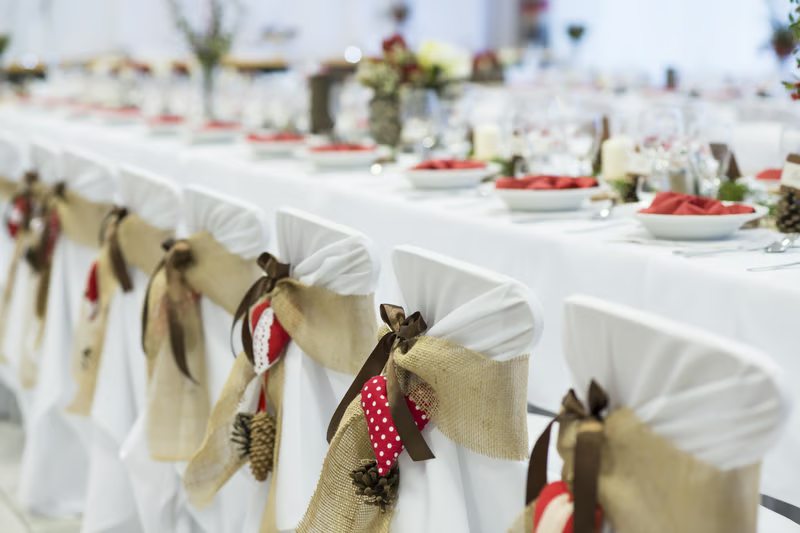
Rectangular Banquet Tables
Rectangular banquet tables create:
- structured appearance
- efficient space usage
- long conversation lines
These layouts work well for:
- family-style dinners
- rustic weddings
- corporate events
Long tables often create:
- communal atmosphere
- visual drama
- elegant presentation
This style became especially trendy in modern luxury event design.
U-Shaped Seating Layout
U-shaped layouts are commonly used for:
- meetings
- workshops
- training sessions
This arrangement allows participants to:
- maintain eye contact
- interact easily
- focus on presentations
The open center improves visibility and communication.
Theater-Style Seating
Theater seating works best for:
- presentations
- ceremonies
- conferences
where audience attention focuses mainly on a stage or speaker.
This style maximizes seating capacity while minimizing table usage.
However, it provides limited opportunities for dining or networking interaction.
Cocktail-Style Event Layouts
Cocktail layouts often include:
- standing tables
- lounge seating
- open spaces
This arrangement encourages:
- movement
- networking
- casual interaction
Cocktail-style events feel:
- energetic
- modern
- social
They work especially well for:
- networking events
- receptions
- launch parties
Wedding Seating Arrangements
Wedding seating requires especially careful planning because family relationships and emotions strongly affect guest experience.
Wedding planners often consider:
- family dynamics
- friendships
- age groups
- guest comfort
The couple’s table placement is also important for:
- visibility
- photography
- symbolism
Many weddings now use:
- sweetheart tables
- head tables
- family tables
depending on event style and preferences.
Corporate Event Seating
Corporate seating arrangements prioritize:
- professionalism
- networking
- communication
- accessibility
Business events often place:
- executives
- clients
- speakers
- team members
strategically to encourage productive interaction.
Professional appearance and efficient organization are especially important at corporate gatherings.
Conference Seating Planning
Conference seating focuses heavily on:
- visibility
- movement flow
- audience comfort
Attendees should easily:
- view presentations
- access exits
- navigate the venue
Conference layouts may also include:
- networking zones
- breakout tables
- VIP sections
Large conferences require detailed planning for smooth coordination.
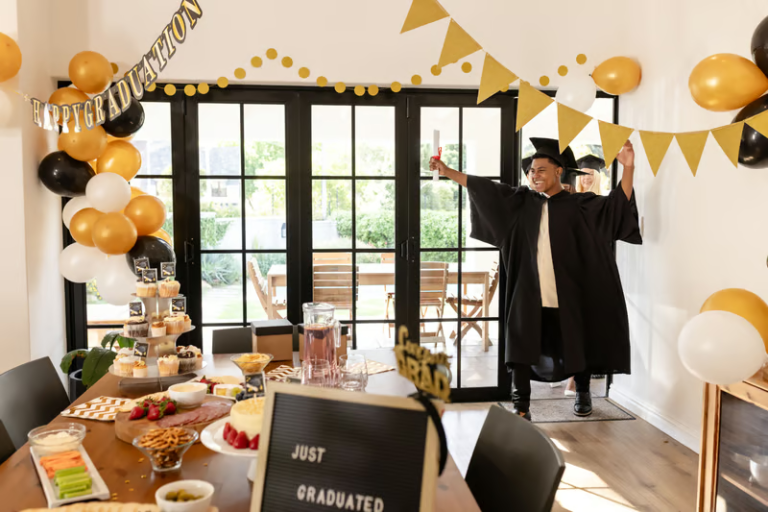
Graduation and Celebration Seating
Graduation parties and social celebrations often prioritize:
- comfort
- conversation
- family interaction
Flexible seating arrangements work well because guests frequently:
- move around
- socialize
- take photos
- visit food stations
Relaxed events usually benefit from less rigid seating structures.
Guest Relationships Matter
One of the most important seating considerations is guest relationships.
Planners often group together guests with:
- shared interests
- family connections
- similar age groups
- existing friendships
Thoughtful grouping encourages:
- conversation
- comfort
- positive interaction
Poor seating choices may create awkwardness or tension.
Avoiding Guest Conflicts
Strategic seating may help avoid:
- family disagreements
- uncomfortable interactions
- social tension
This is especially important at:
- weddings
- family events
- business dinners
Careful placement helps maintain positive atmosphere throughout the event.
Accessibility Considerations
Modern event planning increasingly emphasizes accessibility.
Seating plans should consider guests with:
- mobility challenges
- hearing difficulties
- visual impairments
- dietary needs
Accessible placement improves:
- comfort
- inclusion
- guest satisfaction
Thoughtful accessibility planning reflects professionalism and respect.
Table Spacing and Movement
Guests should move comfortably between:
- tables
- entrances
- exits
- food stations
- dance floors
Overcrowded layouts may create:
- discomfort
- delays
- safety concerns
Balanced spacing improves event flow and overall atmosphere.
Visibility and Stage Placement
At events involving:
- speeches
- presentations
- entertainment
visibility becomes extremely important.
Guests should comfortably see:
- stages
- screens
- speakers
- performances
Poor visibility may reduce engagement and guest satisfaction.
Personalized Seating Charts
Personalized seating charts became highly popular in modern events.
Examples include:
- digital displays
- calligraphy boards
- themed seating walls
- interactive charts
These designs improve:
- organization
- aesthetics
- guest navigation
Creative seating displays also enhance event decor.
Place Cards and Assigned Seating
Place cards help guests:
- locate seats quickly
- avoid confusion
- feel welcomed
Assigned seating improves organization especially at:
- formal dinners
- weddings
- corporate events
However, some casual events may benefit from open seating flexibility instead.
Open Seating vs Assigned Seating
Open seating allows guests to choose their own places.
This works well for:
- casual parties
- relaxed gatherings
- networking events
Assigned seating provides:
- structure
- organization
- social planning
Formal events usually benefit more from assigned seating systems.
Technology and Seating Planning
Modern tools simplified seating organization significantly.
Platforms such as:
- Microsoft Excel
- Canva
help planners:
- organize guest lists
- design layouts
- track RSVPs
- visualize arrangements
Technology reduces planning stress and improves accuracy.
RSVP Management
Accurate guest counts are essential for seating planning.
RSVP systems help organizers:
- estimate attendance
- finalize table numbers
- plan catering
- reduce confusion
Late changes often create seating challenges, so early confirmation is valuable.
VIP and Reserved Seating
Some events include reserved seating for:
- speakers
- executives
- family members
- honored guests
VIP placement often prioritizes:
- visibility
- accessibility
- convenience
Reserved sections help maintain organization during large events.
Children’s Seating Arrangements
Events involving families may include:
- children’s tables
- family seating zones
- activity areas
Age-appropriate seating helps children remain:
- comfortable
- entertained
- supervised
Family-friendly planning improves guest satisfaction significantly.
Cultural and Traditional Seating Etiquette
Some cultures maintain important seating traditions regarding:
- elders
- family hierarchy
- honored guests
Understanding cultural expectations helps planners:
- avoid disrespect
- improve inclusivity
- strengthen hospitality
Cultural awareness is especially important for international or multicultural events.
Lighting and Atmosphere
Table placement also interacts with:
- lighting
- decoration
- photography
Well-positioned tables improve:
- ambiance
- visual balance
- guest comfort
Lighting strongly affects event mood and guest experience.
Networking-Focused Seating
Business events often intentionally encourage networking through strategic placement.
Planners may mix guests from:
- different departments
- industries
- professional backgrounds
This encourages:
- conversation
- collaboration
- relationship-building
Networking design became increasingly important at corporate events.
Common Seating Arrangement Mistakes
Common mistakes include:
- overcrowding tables
- poor visibility
- ignoring guest relationships
- unclear seating charts
- inadequate spacing
Poor planning may negatively affect:
- comfort
- communication
- organization
Attention to detail is extremely important.
Flexibility and Last-Minute Changes
Event planners should expect occasional:
- guest cancellations
- seating changes
- unexpected adjustments
Flexible planning helps reduce stress when modifications become necessary.
Backup plans improve organization significantly.
Event Flow and Seating
Seating affects how guests move throughout the event.
Well-designed layouts improve:
- traffic flow
- service efficiency
- accessibility
- social interaction
Good flow helps events feel smooth and organized.
Table Decoration Coordination
Seating arrangements should align with:
- centerpieces
- table numbers
- lighting
- event themes
Visual consistency strengthens overall atmosphere and professionalism.
Decoration and layout work together to shape guest experience.
Intimate vs Large-Scale Events
Small events often prioritize:
- closeness
- conversation
- comfort
Large events require greater focus on:
- logistics
- movement
- organization
The scale of the event strongly influences seating strategy.
Why Guest Comfort Matters Most
Ultimately, seating arrangements should prioritize guest comfort and enjoyment.
Guests who feel:
- comfortable
- included
- relaxed
are more likely to:
- participate
- socialize
- enjoy the experience
Thoughtful planning creates positive emotional impact.
Conclusion
Table seating arrangements are one of the most important yet underestimated parts of successful event planning. A thoughtful seating strategy improves:
- organization
- communication
- comfort
- networking
- guest experience
while poor arrangements may create confusion, awkwardness, and logistical problems. Whether planning:
- weddings
- corporate dinners
- conferences
- graduation celebrations
- social gatherings
the seating layout should support both the practical and emotional goals of the event.
Different table styles and seating plans create different atmospheres. Round tables encourage conversation, banquet layouts create communal experiences, and cocktail arrangements support movement and networking. Successful event planners carefully consider:
- guest relationships
- accessibility
- venue space
- visibility
- movement flow
when designing layouts.
Modern technology also transformed seating planning through digital RSVP systems, online floor plans, and customizable seating charts that improve efficiency and flexibility. At the same time, social media and luxury event trends increased expectations for:
- elegant presentation
- personalized seating displays
- visually attractive organization
Ultimately, the best seating arrangements are those that help guests feel:
- welcomed
- comfortable
- connected
- included
Thoughtful planning creates smoother events, stronger social interaction, and more memorable experiences. Well-designed seating arrangements may seem like a small detail, but they often shape the overall success and atmosphere of an event more than many people realize.